
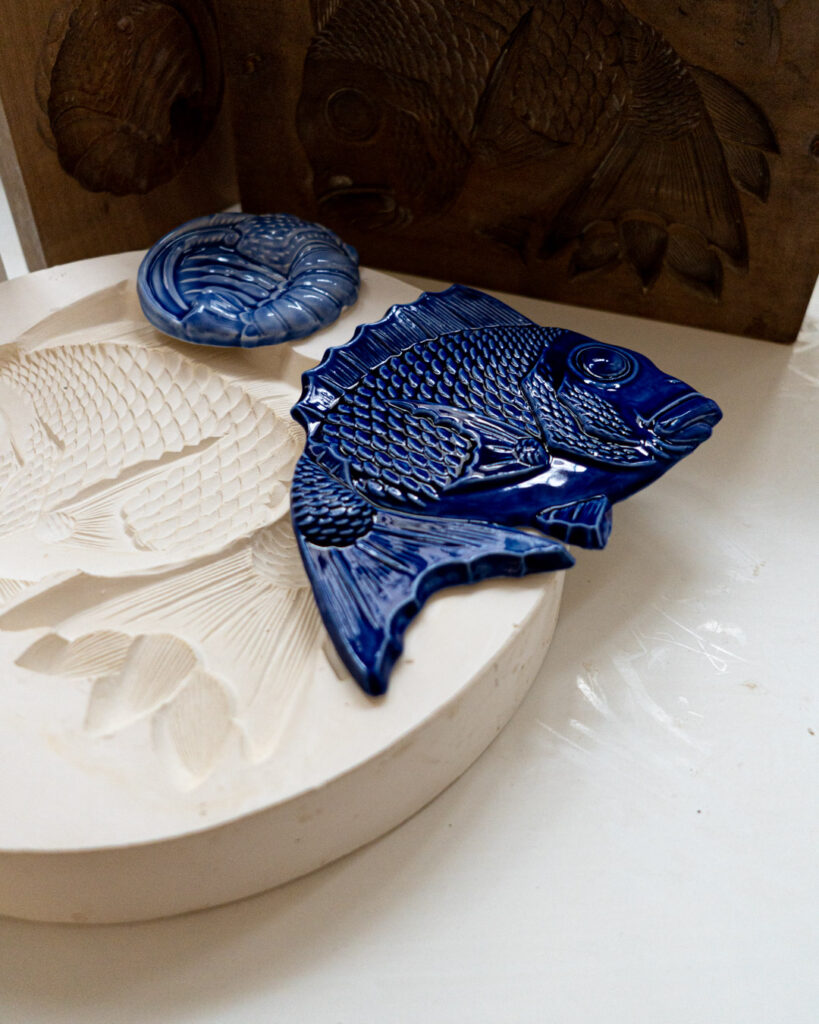
kashigata project
began at a flea market in Kyoto in July 2025 – although I didn’t know it at the time.
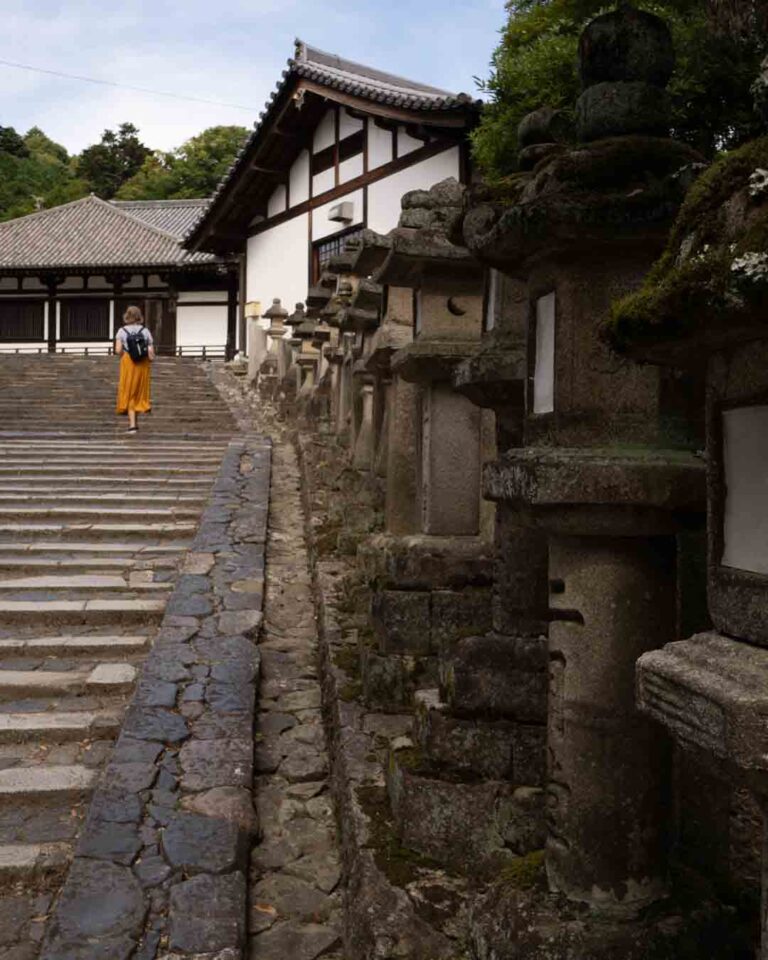
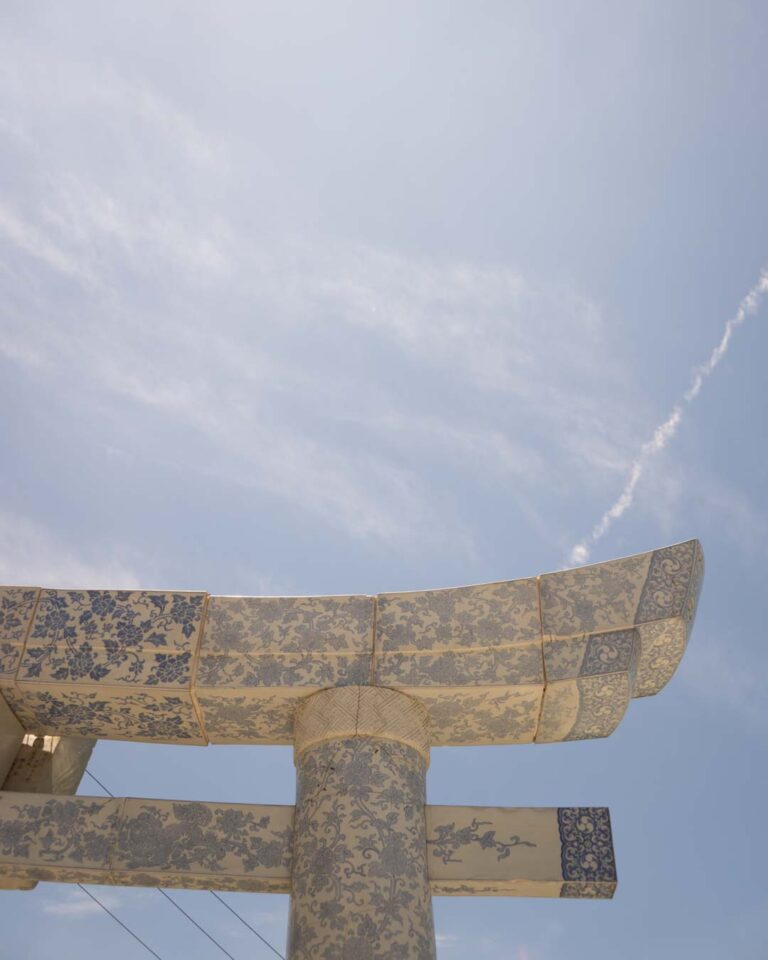
My trip to Japan that summer had been a long-awaited dream. We didn’t talk much about Japan during my Art History studies, but ever since I saw an exhibition of Japanese prints in 2017, I was completely captivated.
I knew I wanted to bring something old home from the trip. So when I spotted a cardboard box filled with kashigata – traditional Japanese wooden moulds for making sweets – at a flea market, I immediately started digging through it.
I had to take each mould out and open it, one by one. And then, inside one of them, I found a turtle.
I knew that one was coming home with me.
I just wasn’t quite sure yet why it had such a long coat – or perhaps a tail.
Back at the hotel, I looked it up – it wasn’t a coat at all, but seaweed growing over the turtle’s shell.
It was a minogame, a mythical turtle symbolising longevity and prosperity.
I was deeply moved to discover that I had not only chosen this beautiful, water-inspired motif by instinct, but that it also carried such a wonderful meaning.
And so the wooden turtle travelled home with me in my suitcase, carefully wrapped in old Japanese newspapers.
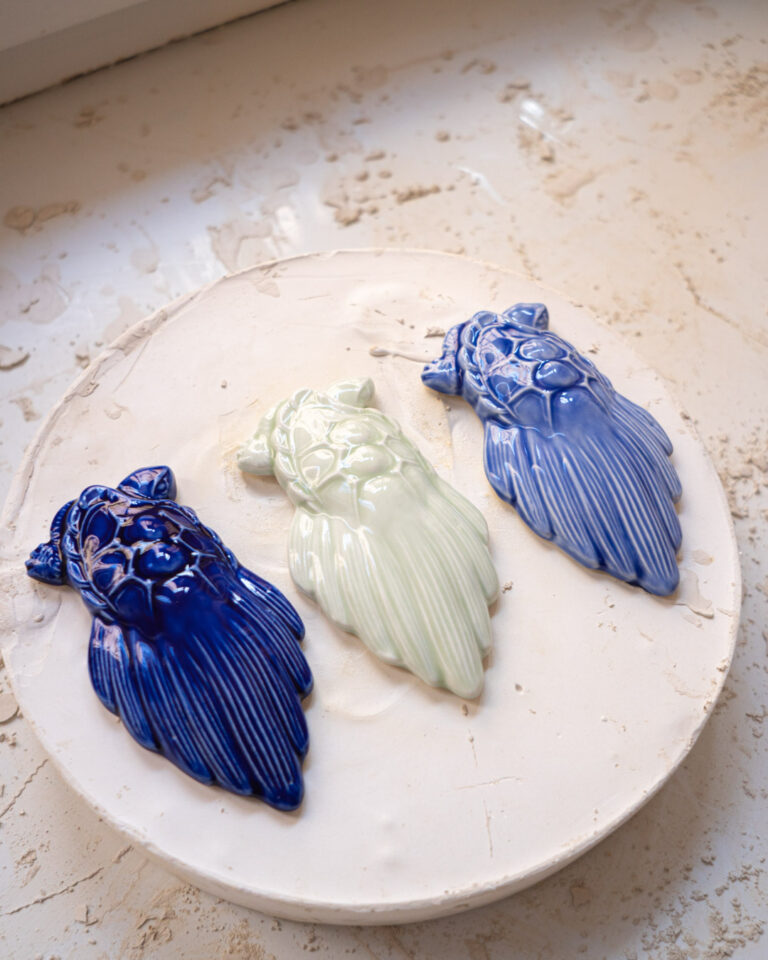
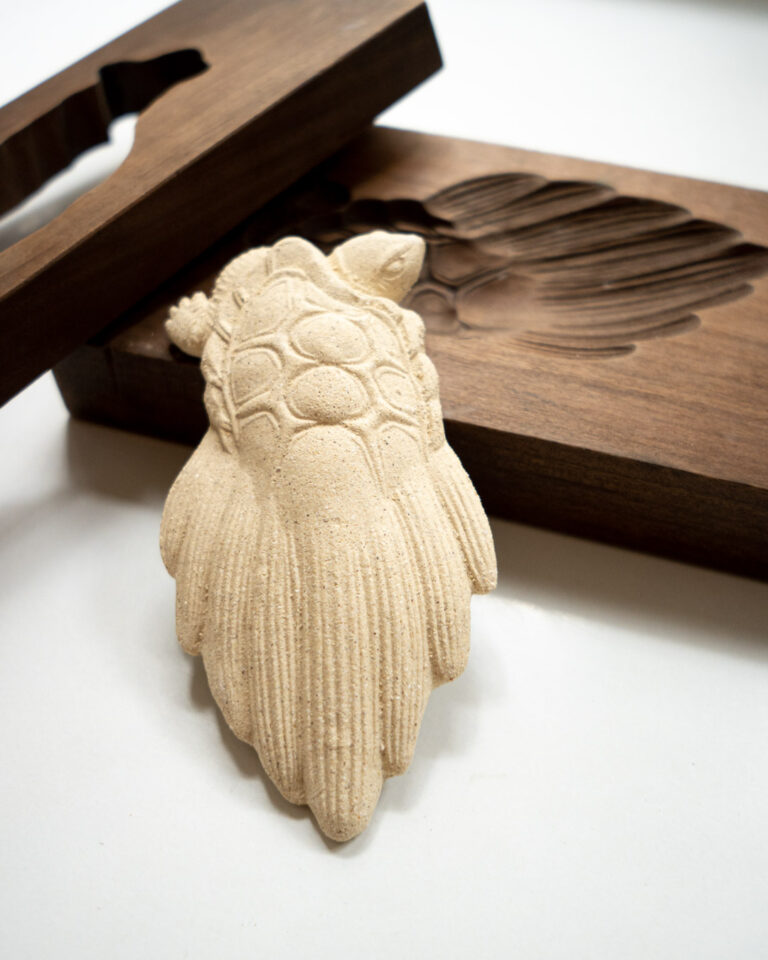
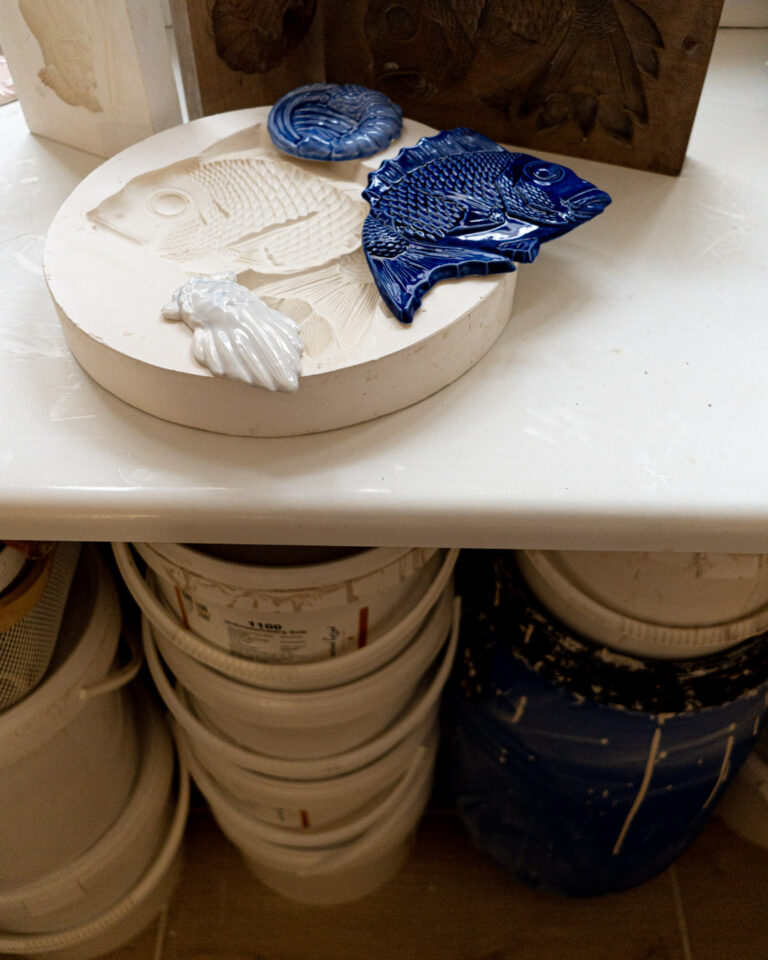
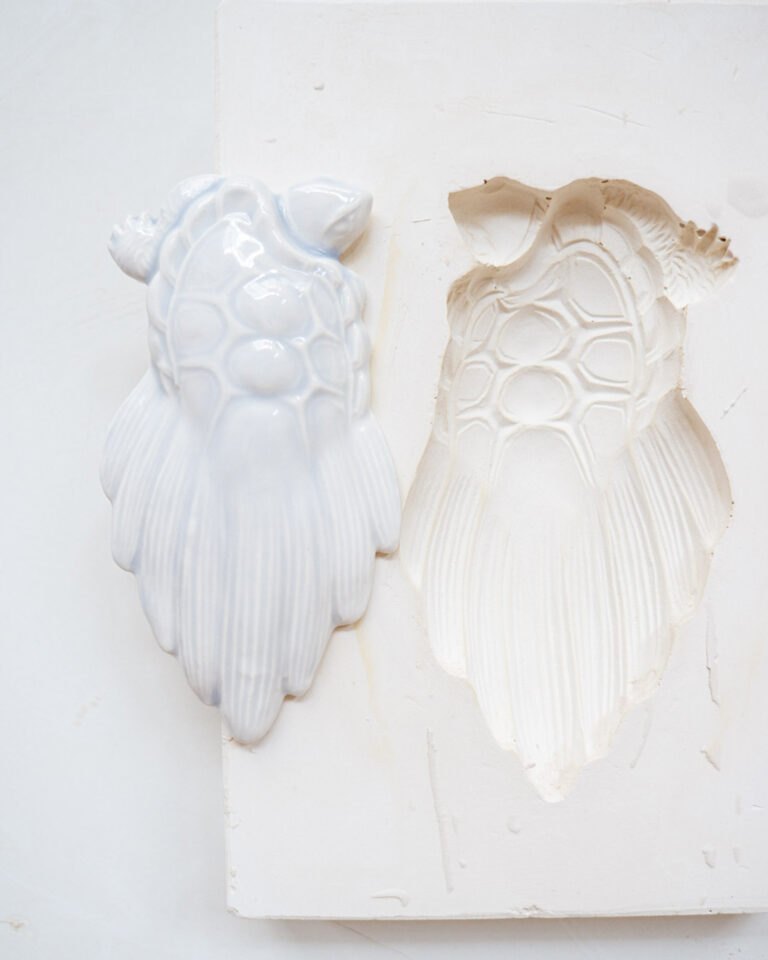
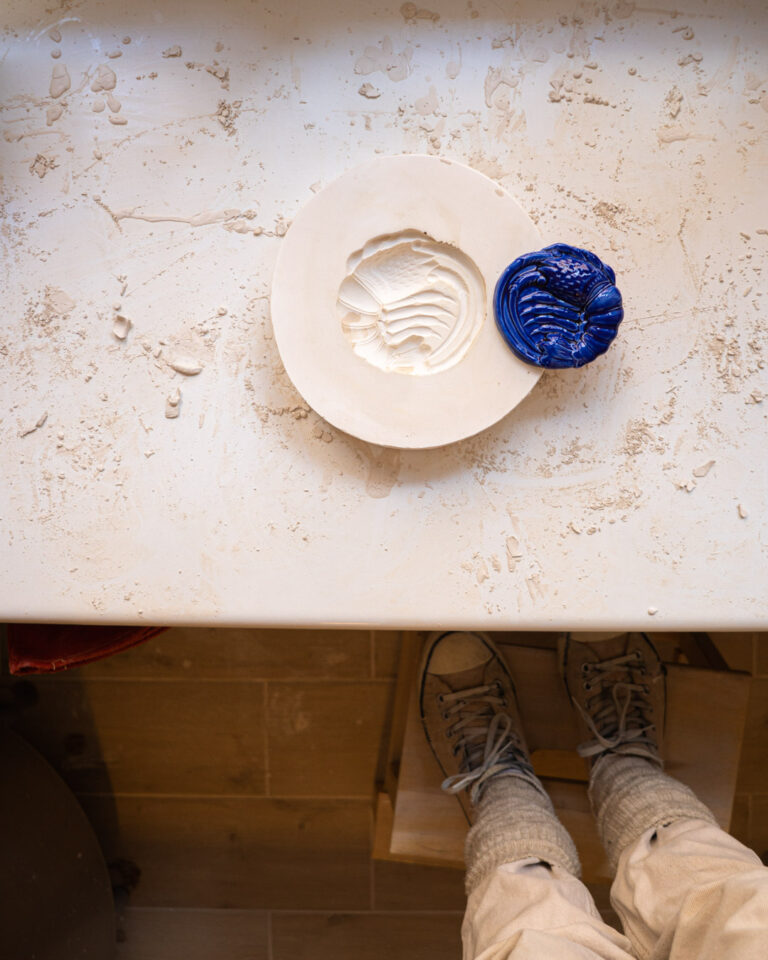
It was only after I returned to my studio that I realised I could try casting the turtle in porcelain. After several failed attempts and a lot of experimentation, I finally succeeded. And that was how the first series of MINOGAME porcelain wall turtles came to life.
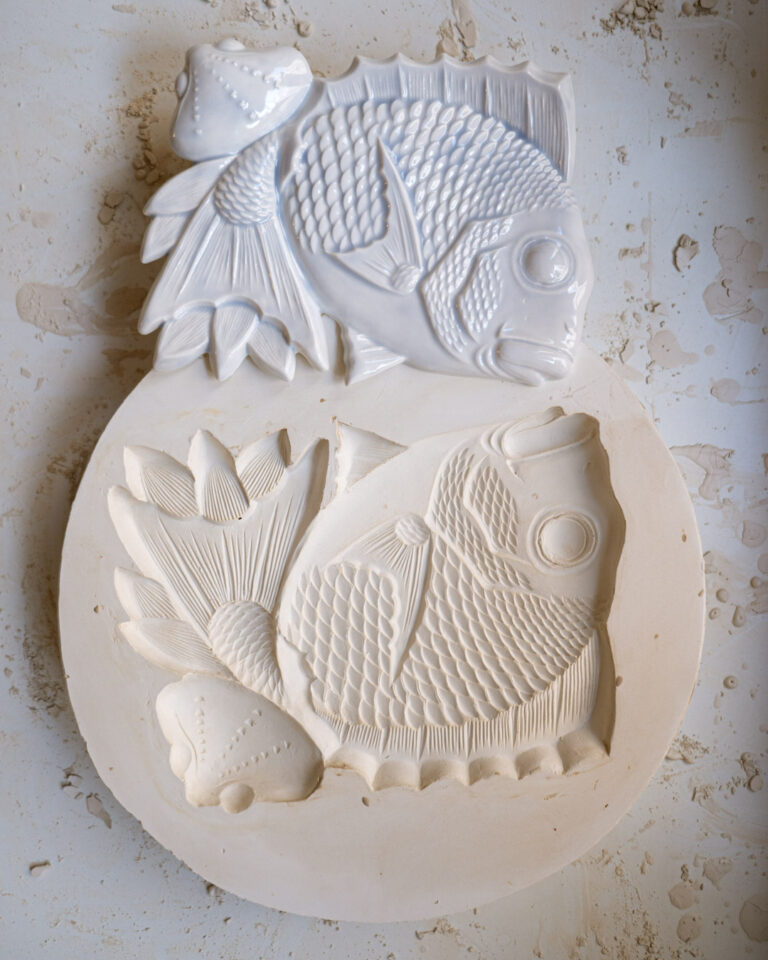
A few months later, I let myself indulge a little and bought two more moulds from an online antique shop – a TAI fish and an EBI shrimp.
Together, they now form the trio of the KASHIGATA PROJECT.
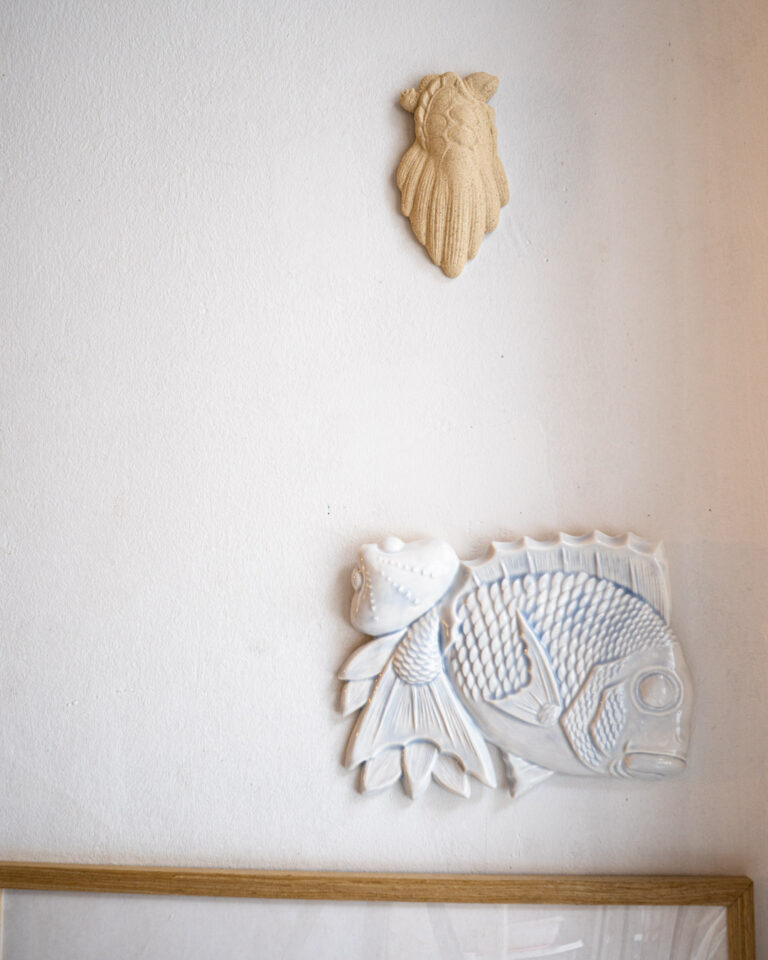
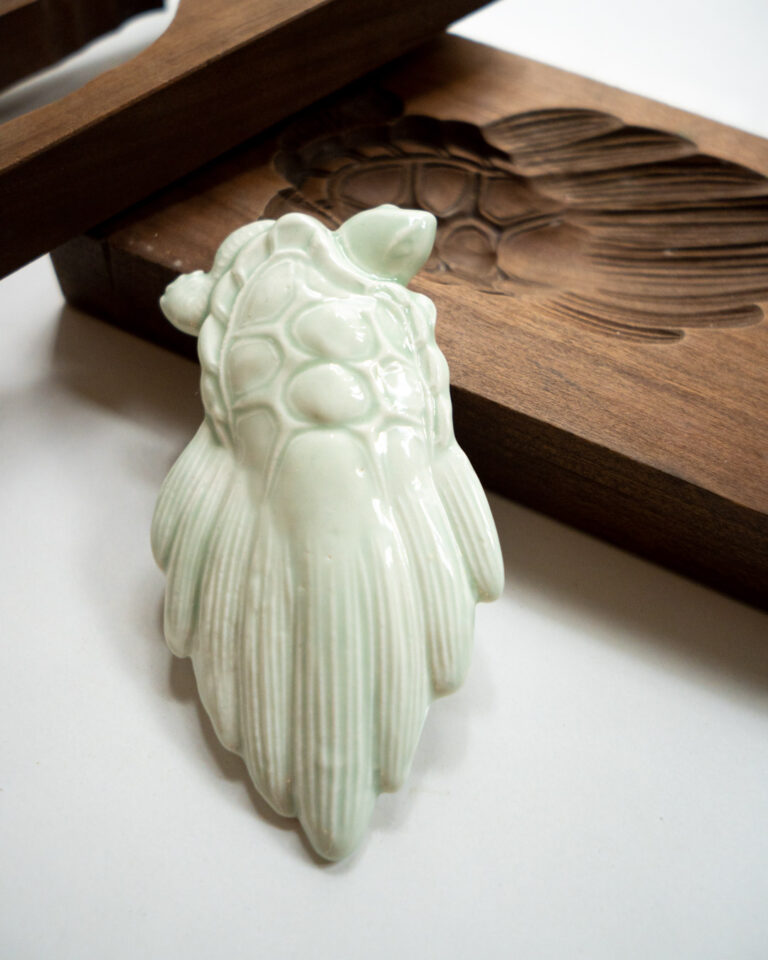
The MINOGAME is a creature from Japanese mythology – a turtle said to live for more than 1,000 years, its shell covered with flowing algae and seaweed. It symbolises longevity, prosperity and wisdom. And if you have a guardian like this by your side, you can feel reassured about all three.
Oh, and there’s one more thing: the MINOGAME is also considered a guardian of sailors.
I don’t know if that matters to you, but it stopped me in my tracks when I found out – because there are few things I love more than adventures under a white sail.
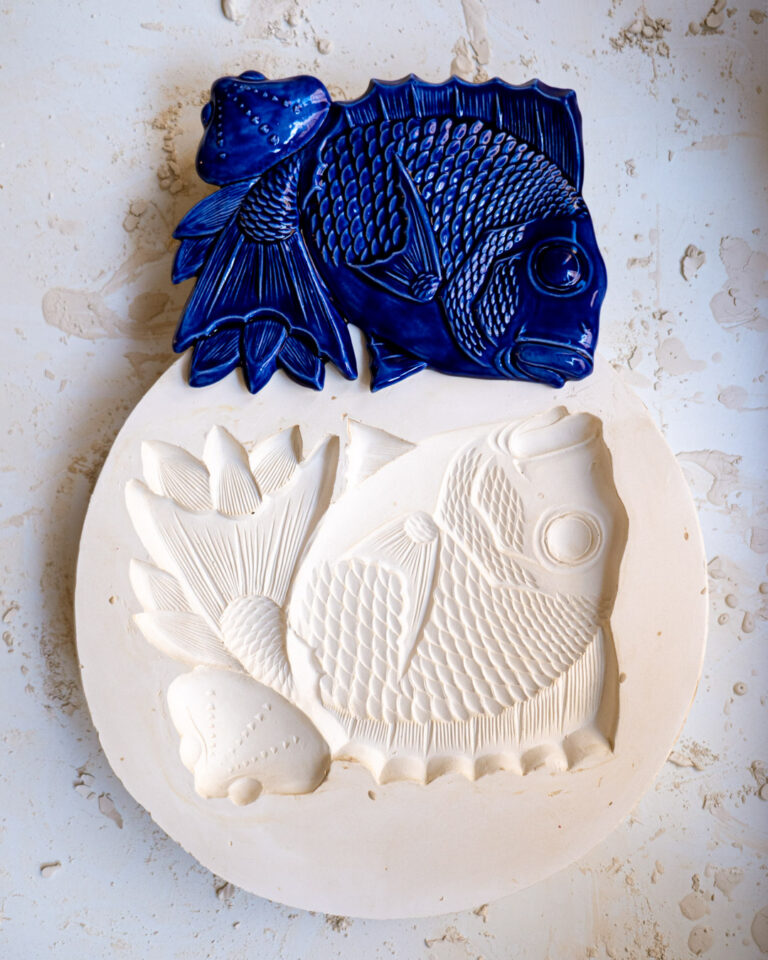
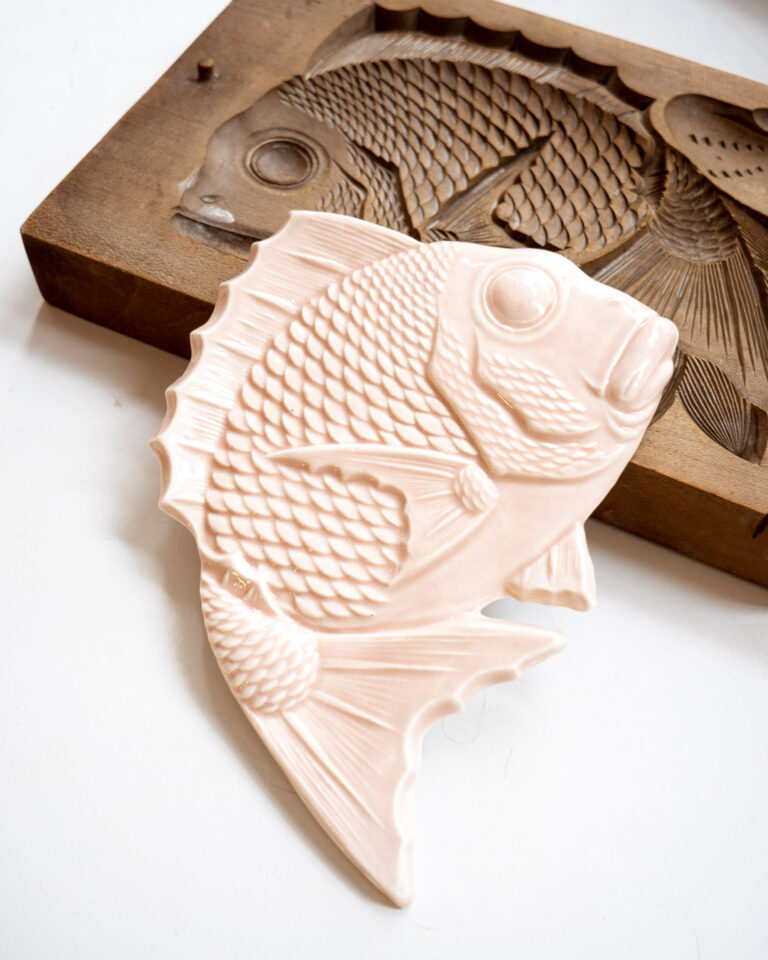
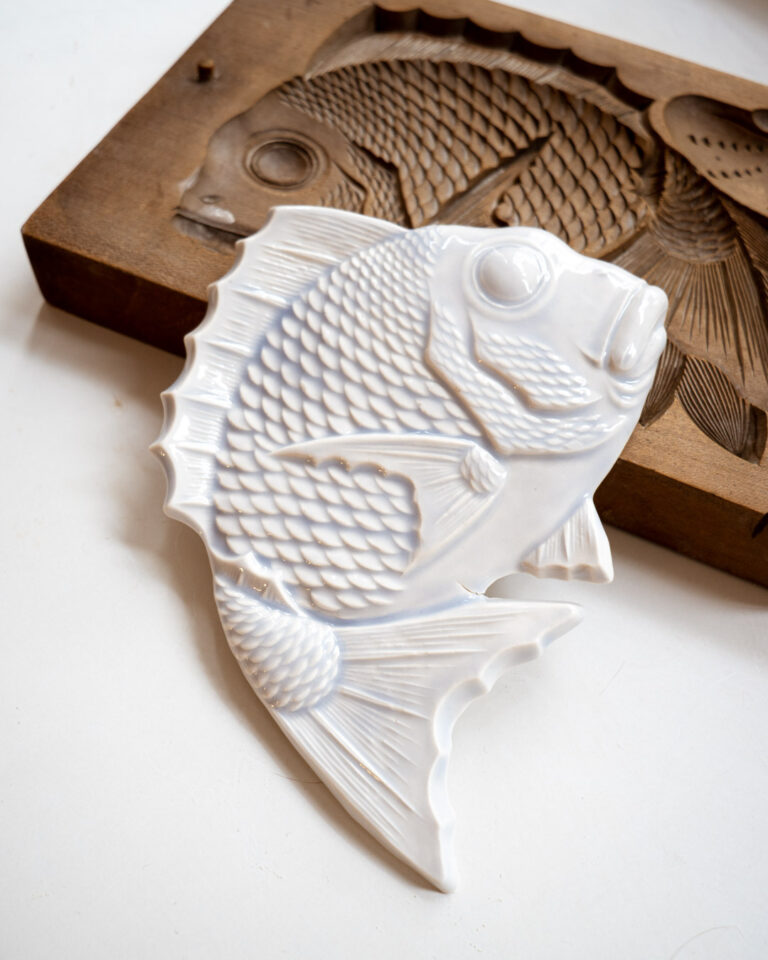
This big-eyed beauty is TAI – the Japanese red sea bream.
In Japan, it was originally offered mainly as a sacrifice in temples. Large, with few bones and a beautiful red colour – traditionally considered lucky for centuries – it was almost destined to become one of the strongest symbols of good fortune and prosperity.
Its meaning was reinforced by a lovely play on words: TAI is part of medetai, a Japanese word meaning auspicious or fortunate.
So this beautiful fish carries a little bit of good luck with it – wherever it swims.
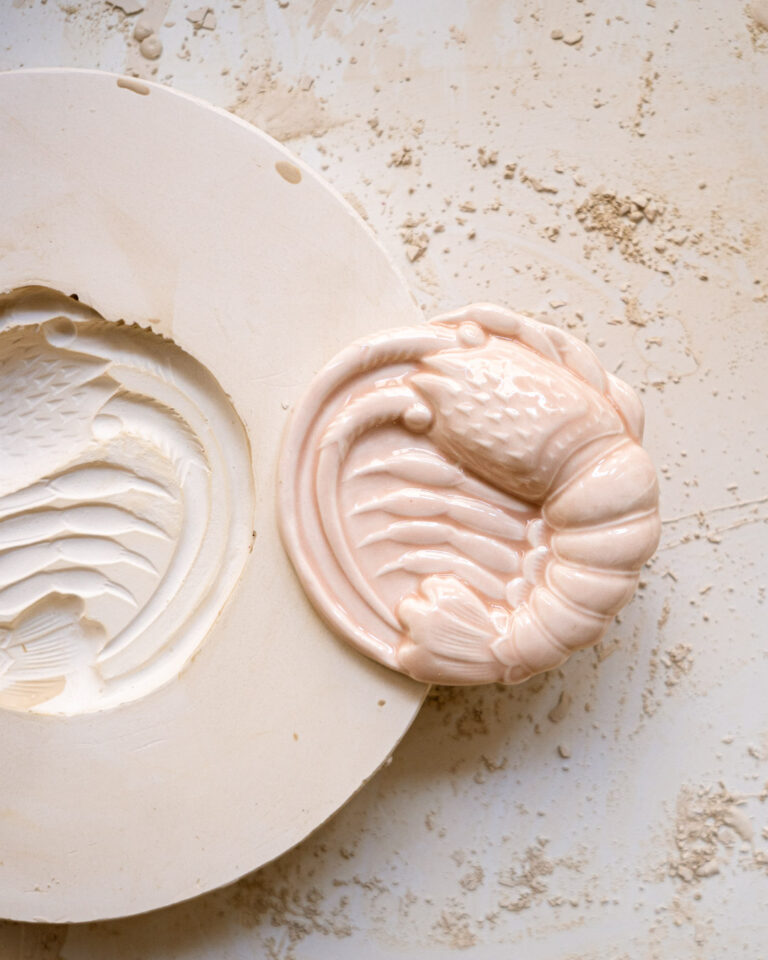
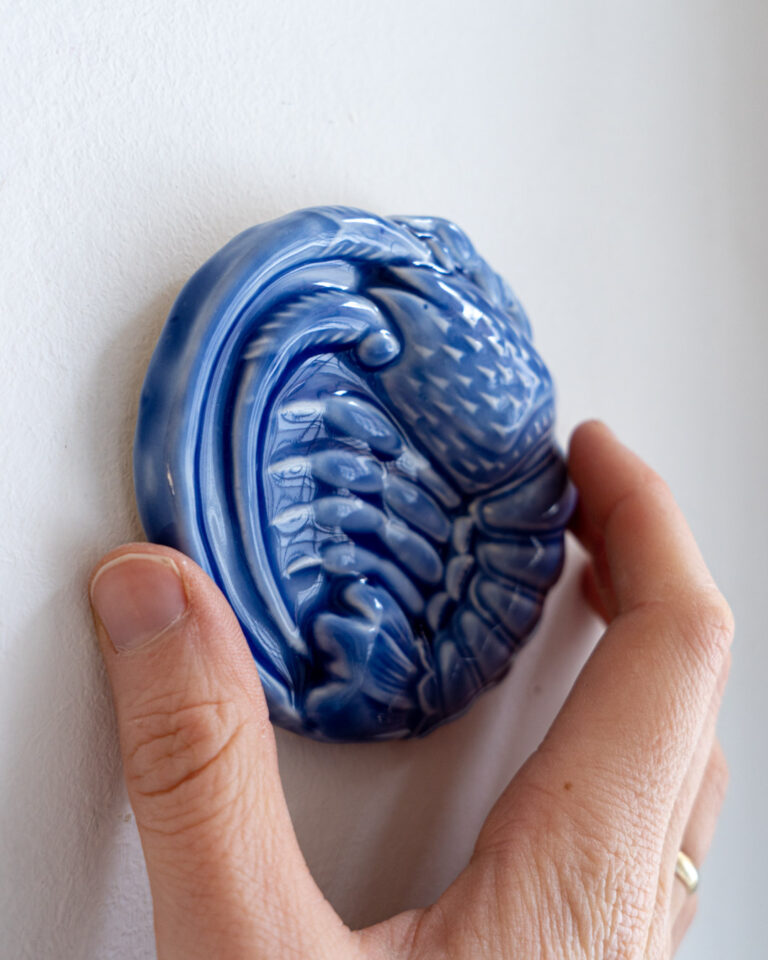
In Japan, a country surrounded by the sea, the shrimp carries many layers of symbolism.
The kanji used for EBI – shrimp (海老) literally mean “old man of the sea” (海 – sea, 老 – old man), inspired by the shrimp’s bent back and long whiskers, which resemble those of a very old person. This is why the shrimp became a symbol of wishes for a long and healthy life.
Shrimp are traditionally eaten during New Year celebrations, too – and once cooked, their reddish colour becomes another reason to associate them with good fortune and happiness.
And there’s more: the shrimp’s hard shell resembles samurai armour, giving it another layer of meaning – courage, strength and perseverance.
The old wooden confectionery moulds I found were created as a form of folk and functional art. They were hand-carved by craftsmen whose skills are becoming increasingly rare in contemporary Japan.
As other materials gradually replaced wood for making these moulds, traditional wooden kashigata have all but disappeared from production.
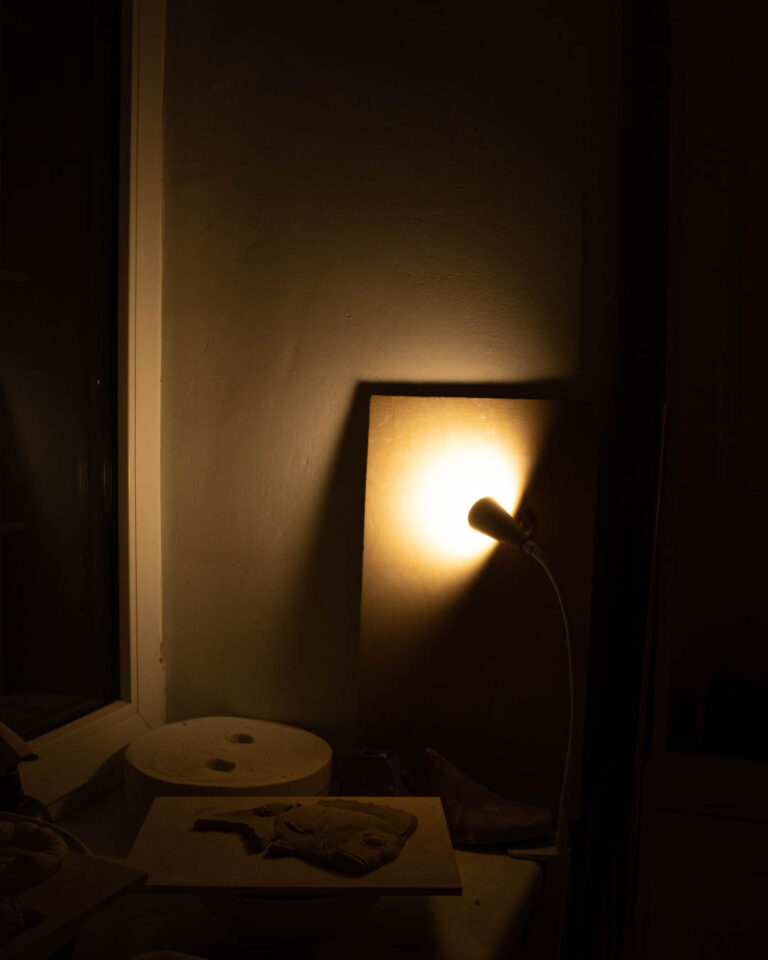
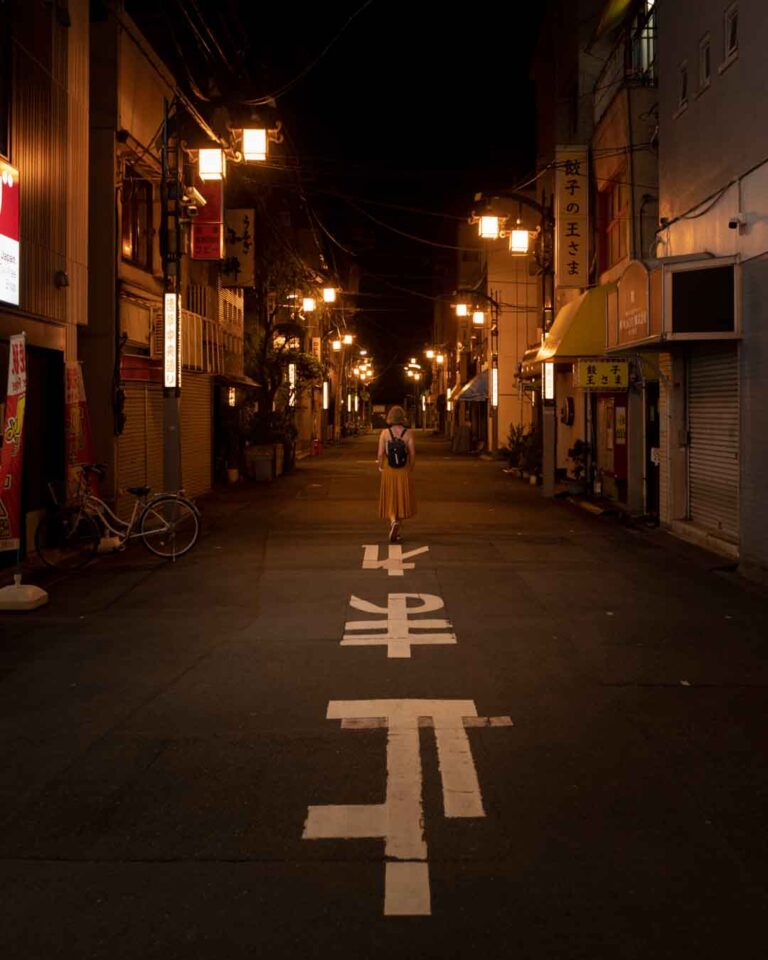
The KASHIGATA PROJECT was born from my love of old things and the sea – and, perhaps, a little bit of beautiful chance.
For me, it is a tribute to craftsmanship. The turtle, shrimp and fish were carved by skilled hands in Japan many years ago. Later, in my studio in Warsaw’s Praga district, I made plaster moulds from the originals, and now I carefully cast, retouch and glaze each piece by hand.
And now they are ready to hang on a wall… but where will that wall be?
That part is up to you. You can write the next chapter of their story.
I think I will always be moved by the journey of real objects through time and places, from one person to another – carrying new stories with them along the way.
But none of this has to mean the same thing to you.
A shrimp, a turtle or a fish might find its way onto your wall for entirely different reasons. Maybe you love the sea. Maybe it simply makes you smile. Maybe it reminds you of that one unforgettable holiday.
Whatever the reason, it will become another chapter in the story of this shape.
And as I write this, I get goosebumps down my spine – like drops of icy seawater on my skin.

